
Are Luxury Watches a Good Investment? A 2026 Collector’s Market Analysis
Posted by Luxury of Watches on 23rd Jul 2026
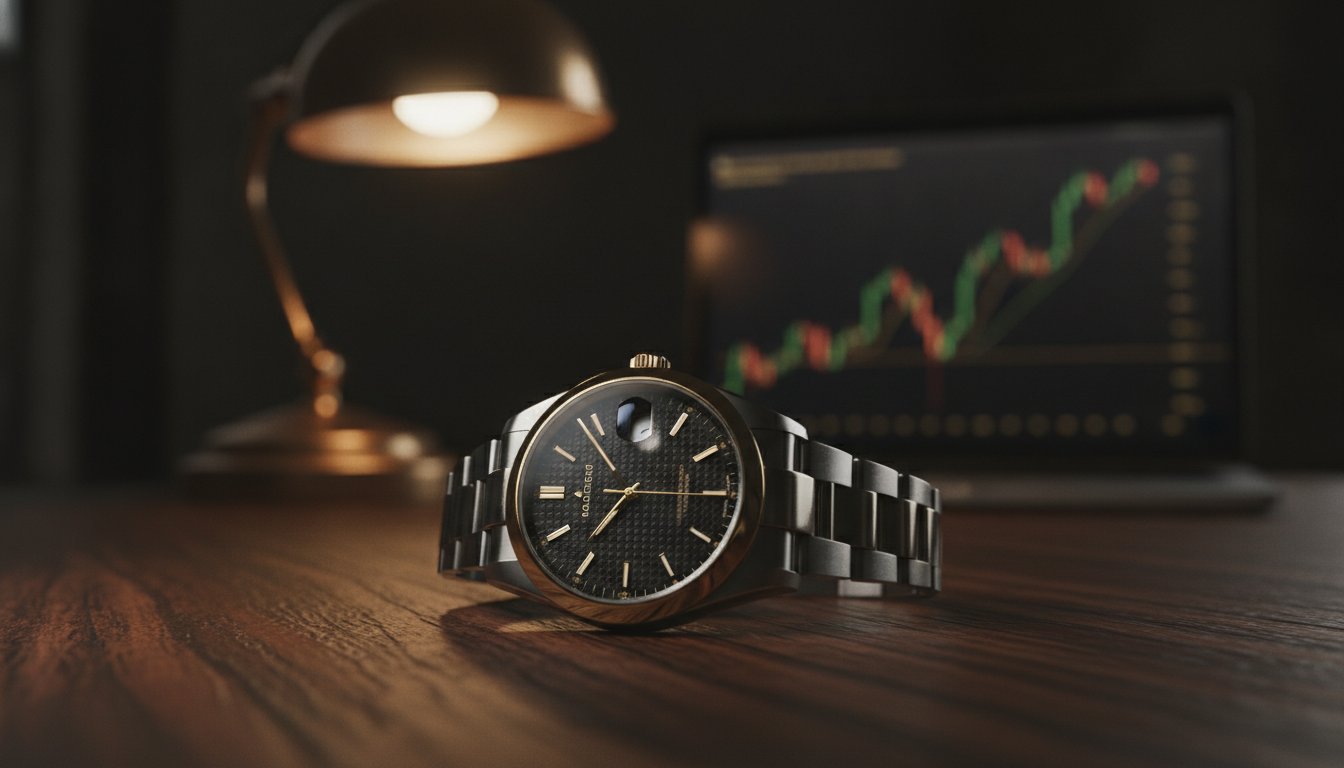
Could a stainless steel Rolex Submariner actually outperform a traditional savings account over the next five years? Many collectors feel a similar sense of hesitation as they watch market shifts, questioning if are luxury watches a good investment or if they're merely stepping into a crowded market bubble. It's natural to feel a blend of excitement and anxiety when considering the secondary market, especially when authenticity and long term value are at stake. You want the prestige of a world class manufacturer without the uncertainty of a speculative gamble.
You'll discover the pragmatic reality of high end horology and learn how to distinguish between a fleeting trend and a timepiece that serves as a genuine store of wealth. We provide a clear framework for evaluating specific models, focusing on the critical roles of brand heritage, condition, and official documentation in protecting your capital. This guide explores the strategic nuances of the 2026 market, from the enduring stability of Patek Philippe to the specific allure of pre owned Rolex, to ensure your next acquisition is made with absolute confidence and intellectual security.
Key Takeaways
- Understand the distinction between speculative assets and genuine stores of value to ensure your collection serves as a reliable hedge.
- Identify the specific manufacturers, such as Rolex and Patek Philippe, that maintain the highest levels of liquidity and market recognition.
- Evaluate the 2026 market dynamics to determine if are luxury watches a good investment for your specific financial goals.
- Learn why professional verification and a comprehensive 5 year in house warranty are essential for protecting the long term resale value of your acquisition.
- Discover the "Full Set" advantage and how original documentation secures a significant premium in the secondary market.
Defining the Watch as an Asset: Store of Value vs. Capital Appreciation
Defining the financial utility of a timepiece requires looking past the polished bezel and into the mechanics of market demand. In the economic climate of 2026, many collectors ask: are luxury watches a good investment? The answer isn't a simple binary. It depends on whether you view the watch as a vehicle for aggressive growth or a secure vault for capital. Unlike traditional equities, a mechanical watch is a tangible asset. It carries a legacy of engineering that dates back through the History of watches, evolving from a tool of precision to a sophisticated financial hedge.
Wealth managers often categorize horology as a "passion asset." This term describes items like fine art or vintage cars that offer emotional dividends alongside financial ones. Historically, blue-chip models from brands like Rolex or Patek Philippe have shown remarkable resilience. While the S&P 500 might offer higher volatility and potential for aggressive growth, luxury watches often parallel the stability of gold. They serve as a hedge against currency devaluation. When inflation rises, the cost of raw materials and skilled labor increases, which naturally pushes the secondary market value of existing high-end pieces upward.
Watches as a Store of Value
A primary reason collectors believe are luxury watches a good investment is their ability to retain 70% to 90% of their retail value almost instantly. This is especially true for iconic steel sports models. These pieces act as a portable form of wealth. You can carry significant value on your wrist, moving across borders with an asset that is recognized and liquid in every major city. In an era of digital banking, the physical permanence of a mechanical timepiece offers a unique sense of security and wealth preservation.
The Speculation Trap
The danger lies in confusing "hype" with "heritage." The market correction of 2022 taught many a hard lesson about short-term flipping. Speculative buying often targets colorful dials or temporary trends that lack long-term historical significance. Heritage watches, conversely, rely on decades of proven demand and manufacturing excellence. Short-term flipping in 2026 is risky due to a more discerning buyer base that prioritizes provenance over social media popularity. The intrinsic value of a mechanical movement lies in its ability to function independently of any external power source or digital network through purely physical interaction.
- Liquidity: Top-tier brands can be liquidated into cash in almost any currency.
- Durability: A well-maintained mechanical watch can last for generations, unlike electronic assets.
- Scarcity: Manufacturers often limit production of their most desirable models to maintain exclusivity.
The 'Big Three' and Rolex: Brands That Historically Hold Value
Success in horological acquisition depends heavily on brand lineage. While many manufacturers produce exceptional timepieces, only a select few consistently answer the question of whether are luxury watches a good investment with a resounding yes. The "Holy Trinity" of watchmaking, Patek Philippe, Audemars Piguet, and Vacheron Constantin, represents the pinnacle of this hierarchy. These houses maintain strict control over production volume, ensuring that demand perpetually outstrips supply. This scarcity, combined with centuries of heritage, creates a robust foundation for long term value retention.
Rolex occupies a unique position as the gold standard for liquidity. Unlike the ultra limited production of the Holy Trinity, Rolex produces a larger volume yet maintains an iron grip on its brand equity. This mass market recognition ensures that a Rolex can be traded for cash almost anywhere in the world. For those looking for high potential outside the top tier, brands like Cartier and Breitling offer significant value. Cartier's timeless design language and Breitling's technical prowess make them attractive entries for collectors who prioritize aesthetic heritage alongside financial stability.
Rolex: The Liquidity King
The stability of Rolex prices across varying economic cycles is a testament to the brand's strategic market positioning. Models such as the Submariner, GMT-Master II, and Daytona are not just watches; they're global currency. The "waiting list" effect at authorized dealers continues to drive secondary market premiums, as collectors are willing to pay above retail to bypass years of uncertainty. If you're considering your first major acquisition, exploring a curated selection of pre-owned Rolex watches is often the most secure path toward value retention.
Patek Philippe and Audemars Piguet
Exclusivity defines the investment profile of Patek Philippe and Audemars Piguet. The Nautilus and Royal Oak phenomena have reached legendary status, frequently commanding prices at auction that dwarf their original retail figures. A recent luxury watch market analysis suggests that while small, elegant watches are gaining traction, the demand for high complication pieces remains the primary driver of top tier growth. Perpetual calendars and tourbillons aren't just technical achievements; they're markers of rarity that satisfy the scrutiny of serious global collectors. When debating if are luxury watches a good investment, the presence of these complex movements often provides the definitive proof of long term potential.
Market Dynamics 2026: Navigating the 'New Normal'
The frantic speculation that defined the early 2020s has been replaced by a more measured, sophisticated environment. In 2026, the question of whether are luxury watches a good investment is met with a focus on stability rather than overnight gains. The market correction of 2022 purged the speculative "crypto-wealth" buyers who prioritized rapid flipping. Today, the landscape is dominated by legacy collectors. These are individuals who value heritage, technical specifications, and long term capital preservation. This shift has returned the market to its foundational principles, where quality and provenance dictate price rather than social media trends.
Brand led certified pre-owned programs have brought increased transparency to the secondary market. While these programs offer manufacturer validation, they frequently involve significant retail premiums that can erode potential returns. This has solidified the role of specialist independent dealers who provide absolute verification and competitive pricing without the traditional retail markup. For example, our 5 year in house warranty serves as a critical investment protection tool. It provides the security required for high value transactions while ensuring the timepiece remains in peak mechanical condition for future resale.
Currently, 2026 has emerged as a buyer's market for specific discontinued references. As the "hype" around current production models stabilizes, savvy collectors are turning their attention to references that were overlooked during the previous boom. These discontinued models often offer a more attractive entry point for those seeking long term value retention.
Understanding Market Cycles
True collectors adopt a 10 year view. Short term price fluctuations often distract from the historical trajectory of blue-chip brands. Interest rates have shown a surprising correlation with demand; as rates stabilize, the appeal of tangible assets like mechanical timepieces grows. Using market data tools allows for a granular analysis of reference specific trends. This moves the collector away from broad generalizations toward data-driven decisions. It's a pragmatic approach that prioritizes security over sentiment.
The Rise of Neo-Vintage
Timepieces from the 1990s and early 2000s, often called neo-vintage, represent the current growth frontier. These watches offer a perfect balance of modern reliability, such as sapphire crystals and improved movements, with the charm of smaller case sizes and developing patinas. Identifying these undervalued references requires a specialist's eye. They represent a significant opportunity for those seeking high resale potential before they reach mainstream saturation. When evaluating if are luxury watches a good investment, the neo-vintage category offers some of the most compelling risk to reward ratios in the current market.
- Stability: The exit of speculative flippers has created a more predictable pricing floor.
- Transparency: Increased data availability helps collectors track the real time value of their portfolio.
- Opportunity: Discontinued and neo-vintage models provide untapped potential for value seekers.

The Investor’s Checklist: How to Buy for Maximum Retention
Securing a timepiece that holds its value requires a shift from emotional appreciation to clinical evaluation. While the brand name opens the door, the specific details of the individual piece determine its long term financial trajectory. When debating if are luxury watches a good investment, the most successful collectors prioritize horological integrity over aesthetic perfection. This means looking for pieces that have been preserved rather than restored. A watch that appears "too perfect" for its age often hides a history of aggressive polishing that can permanently devalue the asset.
The "Full Set" advantage remains the most significant factor in secondary market premiums. Original boxes, warranty cards, and manuals provide a verifiable paper trail that collectors crave. In the 2026 market, a full set typically commands a 15% to 20% premium over "naked" watches. This documentation acts as a birth certificate for the timepiece, confirming its provenance and making it far easier to liquidate when the time comes to rotate your portfolio. Beyond the paperwork, the presence of original parts and a documented service history ensures the movement hasn't been compromised by third-party components.
Verification and Authenticity
Authenticity is the foundation of value. Because pre-owned luxury watches require more scrutiny than new ones, you must vet your source with extreme care. Look for retailers who employ independent watchmakers to perform multi-point inspections. A reputable dealer should provide high-resolution photography of the actual watch, showing every characteristic mark and serial number. This transparency is the hallmark of a secure transaction in the secondary market.
The Role of the Warranty
A 5 year in house warranty serves as a critical safety net for any serious investor. It protects you from the hidden costs of mechanical failure, which can reach thousands of dollars for complex movements. Neglecting a movement can lead to catastrophic wear, while regular maintenance preserves the watch's functional excellence. A comprehensive warranty preserves the 'asset' status of a watch by ensuring its mechanical longevity and protecting the owner from the high costs of specialized movement repair. It's a pragmatic tool that builds the trust necessary for high value horological acquisitions.
- Condition Grades: Prioritize "Unworn" or "Mint" examples. Avoid "Heavily Polished" pieces that have lost their original case geometry.
- Originality: Ensure the dial, hands, and bezel are period-correct for the specific reference number.
- The Grey Market: Utilize the price advantages of the secondary market, but only through dealers with established verification protocols.
To begin your journey with a timepiece backed by absolute verification, explore our curated collection of pre-owned Rolex watches today.
Conclusion: Is a Luxury Watch Right for Your Portfolio?
Determining if are luxury watches a good investment requires a shift from viewing timepieces as mere accessories to seeing them as tangible capital. The analysis of the 2026 market proves that while they aren't traditional financial instruments, they offer a unique combination of liquidity and security. Success rests on three non-negotiable pillars: the heritage of the brand, the historical demand for the specific model, and the uncompromising condition of the individual piece. When these factors align, a watch becomes more than a purchase. It's a hedge against inflation and a legacy that can be passed down through generations.
A high end timepiece is a wearable store of value. It doesn't offer the quarterly dividends of a stock, but it provides a physical permanence that digital assets lack. It's a joy to own and a pragmatic tool for wealth preservation. You shouldn't view horology as a get-rich-quick scheme. Instead, see it as a long term commitment to quality and craftsmanship. By focusing on models with proven resilience, you ensure that your capital remains secure while you enjoy the prestige of a world class manufacturer.
Your First Investment Grade Watch
For those entering the market, starting with a Rolex Submariner is widely considered the safest move. Its global recognition and consistent demand make it the benchmark for liquidity in the secondary market. We recommend setting a realistic holding period of at least five to ten years to weather any short term market cycles. The psychological benefit of this asset class is unique; you can wear your investment daily, knowing that its value is protected by its own historical significance and mechanical excellence.
Next Steps with Luxury of Watches
Building a collection requires a trusted partner who understands the nuances of technical movements and market trends. You can explore our curated inventory of verified luxury watch brands to find a piece that aligns with your financial goals. Every timepiece we offer undergoes rigorous authenticity verification protocols to ensure its horological integrity. This commitment to transparency, combined with our industry leading 5 year in house warranty, provides the peace of mind necessary for high value transactions. Our experts are available to provide personalized advice, helping you navigate the complexities of the 2026 market with absolute confidence.
- Pragmatic Selection: Focus on brands like Rolex and Patek Philippe for the highest liquidity.
- Investment Protection: Utilize our 5 year warranty to safeguard the mechanical health of your asset.
- Expert Guidance: Contact us to discuss the specific resale potential of your next acquisition.
Securing Your Horological Future
Building a collection that retains value requires more than just an appreciation for fine engineering. It demands a disciplined focus on brand heritage, model rarity, and impeccable condition. By prioritizing these elements over fleeting trends, you transform a fine timepiece into a resilient asset. While determining if are luxury watches a good investment depends on your specific goals, the 2026 market clearly rewards those who prioritize absolute verification and long term preservation.
Success in the secondary market is built on trust and expert support. We provide the intellectual security you need through our 100% authenticity guarantee and a unique five year in house warranty. These measures act as critical investment protection, ensuring your timepiece remains a functional and financial masterpiece for generations. Whether you're seeking your first blue chip model or expanding an existing portfolio, the right partner makes all the difference.
Secure Your Investment: Shop Our Verified Rolex & Luxury Watch Collection
It's time to own a legacy that you can wear with absolute confidence. We look forward to helping you find a timepiece that serves as a timeless store of value.
Frequently Asked Questions
Which luxury watch brand holds its value best?
Rolex and Patek Philippe remain the primary leaders in value retention. Rolex offers unparalleled liquidity and mass market recognition, making their stainless steel sports models a global standard for wealth preservation. Patek Philippe dominates the high tier collector market through extreme scarcity and mechanical complexity. These manufacturers consistently demonstrate the strongest performance in the secondary market due to their controlled production and centuries of brand equity.
Is it better to buy a new or pre-owned luxury watch for investment?
Buying pre-owned is often the more pragmatic strategy for investors. Most new watches experience an immediate price correction the moment they leave the showroom, similar to a luxury vehicle. By selecting a pre-owned timepiece, you bypass this initial retail premium and acquire the asset at a price that more accurately reflects its true secondary market value. This approach maximizes your potential for future capital retention.
Do watches actually appreciate in value over time?
While certain iconic references have historically appreciated, most luxury timepieces function as a reliable store of value. They act as a hedge against inflation rather than a speculative growth asset. When evaluating if are luxury watches a good investment, it's essential to distinguish between a "hype" piece and a heritage model. Heritage models are far more likely to maintain their value against currency devaluation over a ten year holding period.
How much should I spend on my first investment watch?
Your initial budget should focus on the entry point of blue chip brands with proven liquidity. Many collectors find that starting with a stainless steel Rolex or a classic Cartier provides a secure foundation. It's more important to buy the best possible example within your budget, prioritizing condition and documentation over a more expensive model that lacks its original box and papers. Quality always trumps complexity for a first acquisition.
Does the 'grey market' affect the investment value of a watch?
The secondary market often dictates the actual value of a watch more than the manufacturer's suggested retail price. For high demand models, the secondary market price is typically higher than MSRP due to the scarcity of supply at authorized dealers. Buying from a reputable secondary dealer allows you to bypass waiting lists, provided you prioritize sellers who offer absolute verification and a comprehensive 5 year in house warranty to protect your capital.
What happens if I lose the box and papers for my luxury watch?
Losing the original documentation typically reduces the watch's resale value by 15% to 20%. Collectors pay a premium for a "Full Set" because it provides a verifiable paper trail and confirms the timepiece's provenance. If you've already lost them, you can mitigate the loss by keeping meticulous records of professional services. A documented service history from a specialist dealer helps reassure future buyers of the watch's mechanical integrity.
Are Cartier watches a good investment compared to Rolex?
Cartier watches are exceptional stores of value that prioritize aesthetic heritage and brand prestige. While Rolex sports models often see higher speculative demand, Cartier's iconic designs, such as the Tank or Santos, maintain a remarkably stable price floor. They represent a sophisticated choice for collectors who value timeless elegance. They don't typically experience the same volatility as some Rolex references, making them a steady addition to any portfolio.
How often should I service my watch to maintain its value?
Professional servicing should occur every five to seven years to ensure mechanical longevity. Regular maintenance prevents the internal lubricants from drying out, which can cause significant wear to the movement's delicate components. A well maintained movement is a critical factor for anyone questioning if are luxury watches a good investment. Keeping your service records is just as vital as the service itself, as it proves the watch has been cared for by experts.