
The Best Time of Year to Buy a Luxury Watch: A 2026 Collector’s Strategy Guide
Posted by Luxury of Watches on 22nd Jul 2026
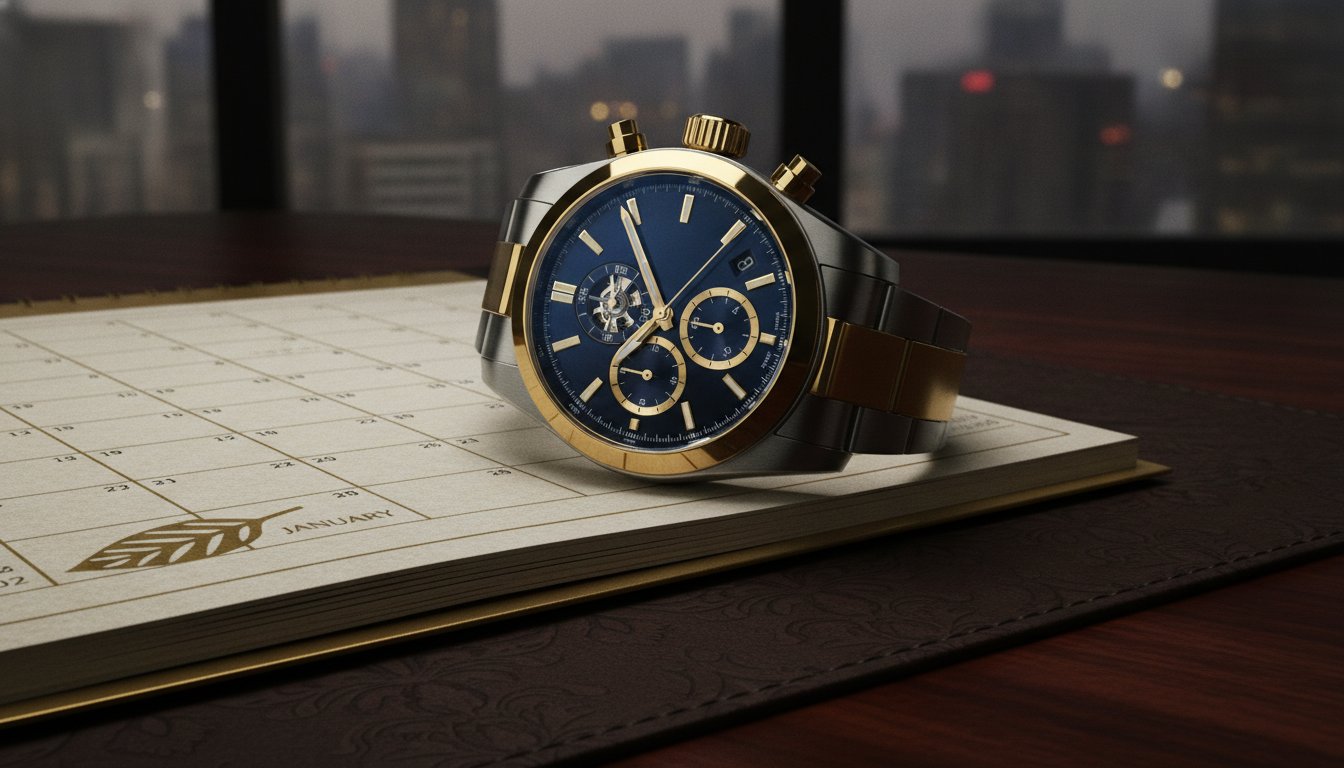
What if the traditional holiday sale is actually the most expensive time to acquire a high-end timepiece? Most collectors wait for seasonal discounts that rarely apply to brands like Rolex or Patek Philippe, leading to the frustration of overpaying right before a market shift. It's a common concern to secure a piece only to see inventory surge and prices soften a month later. You want your investment to hold its value, but the timing of the secondary market can feel like a moving target.
This guide reveals the specific market cycles and liquidity windows that define the best time of year to buy a luxury watch in 2026. We'll explore how the conclusion of Watches & Wonders Geneva in April and the subsequent release of models like the Rolex Land-Dweller impact the pricing of existing inventory. You'll learn to identify the months when supply outpaces demand, allowing you to acquire your dream watch at a competitive price point. By the end of this strategy guide, you'll have a clear roadmap for navigating the 2026 market with the confidence of a seasoned specialist.
Key Takeaways
- Understand how market liquidity windows create better value than traditional retail sales for brands like Rolex and Patek Philippe.
- Learn why January and August are often the best time of year to buy a luxury watch due to post-holiday inventory peaks and seasonal export shifts.
- Navigate the impact of Watches & Wonders Geneva 2026 to secure models before market hype or discontinuation spikes affect pricing.
- Bypass the lengthy waitlists and bundled purchase requirements of authorized dealers by utilizing the immediate availability of the secondary market.
- Ensure your investment is protected with absolute verification and a five-year in-house warranty on every high-end timepiece.
The Myth of the Luxury Watch Sale: Understanding Market Cycles
In the world of high-end horology, the concept of a seasonal sale is largely a fiction. Unlike consumer electronics or fashion apparel, prestige manufacturers like Rolex and Patek Philippe don't participate in traditional retail markdowns. Their brand equity is rooted in scarcity and precision, meaning a "discount" at an authorized dealer is almost non-existent. Instead, finding the best time of year to buy a luxury watch requires an understanding of market liquidity and the broader economic cycles governing the Swiss watchmaking industry.
Authorized Dealers (ADs) adhere strictly to the Manufacturer’s Suggested Retail Price (MSRP). While this price remains static, the true cost of acquisition fluctuates through the length of waitlists and the necessity of building "spend history" with a boutique. In contrast, the secondary or grey market operates on real-time supply and demand. Market liquidity refers to the volume of timepieces being traded at any given time. When liquidity is high, inventory peaks, and prices often soften, creating a more advantageous entry point for the discerning collector who values immediate availability over the uncertainty of a retail list.
Retail vs. Grey Market Timing
ADs offer the security of a retail environment, but their inventory is often restricted to display-only models that aren't for sale. In 2026, the market has transitioned into a corrected phase, where the extreme hype of previous years has settled into a focus on long-term value and horological substance. We've seen a shift in buyer mentality toward smaller case sizes and technical materials like titanium. Grey market specialists like Luxury of Watches reflect these shifts immediately. As global currency fluctuations impact international sourcing, these platforms adjust pricing to remain competitive; they often provide access to models that remain locked behind multi-year waitlists at traditional boutiques.
The Role of Pre-Owned Inventory
The availability of pre-owned luxury watches serves as the most accurate barometer for the entire industry. Trade-in cycles often occur in waves, particularly following major industry events or the conclusion of the fiscal year, which inject fresh inventory into the market. A market correction is the process by which inflated asset prices return to their intrinsic value, stabilizing the market after a period of unsustainable speculation. By monitoring these cycles, you can identify the exact moment when supply peaks and competition among buyers is at its lowest, ensuring your acquisition is both a personal milestone and a sound financial decision.
Seasonal Trends: Why January and August Are the Collector’s Secret
Identifying the best time of year to buy a luxury watch requires looking past the retail calendar. While most consumers focus on the end of year gifting rush, professional collectors pivot toward periods of low competition and high inventory liquidity. January and August represent these unique windows, offering distinct advantages for those seeking specific models without the traditional holiday premium. By understanding seasonal trends in watch sales, you can align your acquisition with the market’s natural ebb and flow.
The "Post-Holiday Hangover" in January is a primary driver for the secondary market. After the December surge, many enthusiasts trade in their current timepieces to offset the cost of new holiday acquisitions. This creates a significant influx of high quality pre-owned stock. Conversely, the November rush should be avoided if your goal is value. Increased demand for gifting typically keeps prices firm and inventory moving too quickly for deliberate negotiation.
April introduces another shift due to tax season dynamics. In the United States, this period often sees a surge in high end trade-ins as individuals rebalance their portfolios or liquidate assets. This liquidity surge provides a brief window where rare references may appear in stock more frequently than during the summer months. If you are looking for a specific model, you can browse our current inventory to see how these cycles impact our live listings.
The January Liquidity Window
January is often the most strategic month for the secondary market. Dealers are motivated to start the first quarter with strong turnover, and the abundance of trade-in inventory gives buyers more options. This is the ideal time to identify "sleeper" models—watches that may have been overshadowed by holiday marketing but offer exceptional long term value. Because buyer competition is lower in the weeks following New Year’s, you have the breathing room to scrutinize technical specifications and documentation without the fear of the piece selling within minutes.
Summer Stagnation in the Watch Industry
The August slowdown is a direct result of the European summer tradition. Most Swiss watchmaking facilities close for several weeks in August, which temporarily halts the flow of new pieces to authorized dealers. While this might seem like a disadvantage, it actually benefits the secondary market collector. As many potential buyers are on vacation, competition for available stock drops. It is an excellent time to secure Breitling watches or other technical chronographs that often see a peak in demand during the spring. This stagnation allows you to acquire prestige models while the rest of the market is looking elsewhere.
Industry Events and New Releases: The Watches & Wonders Effect
Watches & Wonders Geneva 2026, scheduled for April 14 to April 20, acts as the primary catalyst for market movement in the first half of the year. While many enthusiasts focus on the excitement of new releases, savvy collectors monitor how these announcements disrupt current inventory levels. The weeks leading up to this event represent the best time of year to buy a luxury watch if your goal is price stability. Once the curtain rises in Geneva, the market enters a period of rapid recalibration that can either inflate or depress the value of specific references within hours.
The most dramatic phenomenon during this window is the "Discontinuation Spike." When a manufacturer retires a specific reference, the remaining unworn stock on the secondary market often sees an immediate price surge. However, the reverse is also true for models that remain in the catalog but are overshadowed by a flashy new sibling. This "New Model Fever" often leads to a temporary softening of prices for the previous generation, as collectors rush to liquidate their current pieces to fund the latest acquisition. It's a strategic moment to secure a modern classic while the rest of the market is distracted by the newest titanium or salmon-dial releases.
Predicting the 2026 Rolex Price Shifts
Catalog updates are the single biggest driver of Rolex prices during the spring. When rumors of a new release like the Land-Dweller began to circulate, the market for existing professional models felt the tension. Following a major release, the market typically experiences a 30-day period of heightened price volatility as collectors and dealers recalibrate their valuations based on the new catalog. This creates a psychological shift where the "old" model is suddenly viewed as more accessible, even if its technical specifications remain world-class. Monitoring these shifts allows you to capitalize on the brief window where supply briefly exceeds the immediate demand of the hype-focused crowd.
Buying the "Old" Reference
Focusing on a recently superseded model is a masterclass in value acquisition. When a brand like Cartier or IWC introduces a subtle tech upgrade or a slightly thinner case, the previous version doesn't lose its craftsmanship or heritage. These "neo-vintage" gems often trade at a significant discount compared to the new MSRP, despite offering 95% of the same functionality. By timing your purchase to coincide with the delivery of new boutique stock in the late spring, you can often find pristine, pre-owned examples of the outgoing reference. This strategy is particularly effective for staple models like the Submariner or GMT-Master II, where the differences between generations are often incremental rather than revolutionary.

Buying Strategies: Grey Market Advantages vs. Traditional Retail
While seasonal cycles provide a general framework, the best time of year to buy a luxury watch is often defined by a single factor: immediate availability. In a market where high-demand steel sports models are rarely found in boutique display cases, waiting for a specific month matters less than securing a rare reference when it appears in stock. Traditional retail environments operate on a system of waitlists and preferred client relationships. This often forces collectors into a cycle of "pre-purchase" bundling, where you might be expected to acquire several entry-level pieces before being granted access to a flagship model.
Luxury of Watches circumvents these barriers by providing direct access to the world’s most sought-after timepieces without the need for a multi-year relationship. We focus on the pragmatic needs of the modern collector, offering a secure platform where verification and transparency are the standard. Every acquisition is backed by our five-year in-house warranty, ensuring that your investment is protected long after the transaction is complete. You can explore our current selection of professional models to see how we prioritize immediate delivery over retail uncertainty.
Bypassing the Waitlist
The 2026 market favors the decisive buyer who understands the high opportunity cost of waiting. For example, an authorized dealer might quote a two-year wait for a Rolex Cosmograph Daytona. During those twenty-four months, market prices may shift, and the pleasure of ownership is deferred indefinitely. Choosing the grey market means prioritizing "time on wrist." While secondary market premiums exist for iconic models like the GMT-Master II "Pepsi," which can trade between $23,000 and $35,000 against a retail price of approximately $12,500, the value of immediate possession is often the superior strategy for those who view horology as a lifestyle rather than a waiting game.
The Investment Angle: Timing for Appreciation
Rarity and timing are the twin pillars of long-term appreciation. Certain manufacturers, specifically Rolex and Patek Philippe, maintain a dominant market share that transcends seasonal dips. In 2026, the 50th anniversary of the Nautilus has reinforced the value of heritage references, with the market share of Rolex alone representing roughly one-third of the entire Swiss watch market by value. To understand which models are currently poised for the best value retention, consult our top 15 best luxury watch brands guide. Selecting a brand with a proven history of stability ensures that your acquisition remains a cornerstone of your collection for decades.
Securing Your Investment: Why Timing Meets Trust at Luxury of Watches
Establishing trust is the final and most critical component of your acquisition strategy. While we’ve identified the best time of year to buy a luxury watch based on global supply chains and Swiss factory closures, those windows only provide value if the transaction is secure. Since 1999, Luxury of Watches has acted as a knowledgeable intermediary, bridging the gap between the prestige of Swiss manufacturers and the modern need for market efficiency. Our two decades of expertise allow us to maintain a stable pricing structure that reflects real-time value, regardless of the month you choose to buy.
One of the most significant advantages we offer is our five-year in-house warranty. In the secondary market, manufacturer warranties can often be expired or non-transferable. Our comprehensive coverage provides a layer of security that traditional pawn shops or unverified private sellers cannot match. It ensures that your Rolex or Patek Philippe remains a functional masterpiece for years to come, anchored by the same technical scrutiny applied by the manufacturers themselves. This professional reassurance is essential when navigating the volatile market shifts that follow major industry releases.
Expert Curation and Verification
Every timepiece in our inventory undergoes a rigorous multi-point inspection process. This verification covers everything from the integrity of the movement to the authenticity of the dial and casing. We strategically source our inventory during the peak liquidity months discussed earlier, such as January and August, to ensure we can pass those market advantages directly to you. This curation process is the Luxury of Watches promise: a commitment to absolute authenticity, transaction security, and competitive value that honors the heritage of the brands we feature.
Ready to Make Your Move?
Your 2026 purchase checklist should include:
- Verification of official documentation and matching serial numbers.
- Confirmation of the five-year in-house warranty terms for long-term protection.
- Assessment of the current market liquidity for your specific reference model.
- Review of the seller's historical expertise and reputation in high-end horology.
If you’ve identified a specific Cartier or Audemars Piguet that fits your collection, waiting for a "perfect" month may mean losing the piece to a more decisive collector. Given the current market correction, the best time of year to buy a luxury watch is often exactly when the right reference becomes available at a fair market price. We invite you to browse our current collection of authentic luxury watches and secure your next investment with the confidence of a professional collector.
Your 2026 Horological Strategy
Navigating the 2026 market requires a shift from passive waiting to proactive strategy. You've learned that the best time of year to buy a luxury watch isn't found on a retail calendar, but within the liquidity windows of January and August. By understanding how events like Watches & Wonders Geneva impact inventory, you can secure iconic references before the discontinuation spike or during the softening of prices for previous generations.
Choosing a trusted intermediary is just as vital as timing. At Luxury of Watches, we eliminate the frustration of authorized dealer waitlists by providing immediate access to the world's most coveted timepieces. Every purchase is backed by our 5-Year In-House Warranty and an A+ BBB Rating, ensuring that your investment is Guaranteed Authentic and technically sound. We prioritize the security of your transaction so you can focus on the craftsmanship and heritage of your chosen manufacturer.
Find your perfect timepiece in our curated Rolex collection and begin your journey with a partner that values your time as much as your investment. Your next milestone is waiting.
Frequently Asked Questions
Does Rolex ever have a sale?
Rolex never authorizes sales or discounts through their official retail network. Every authorized dealer is bound by a strict MSRP agreement, ensuring price uniformity across the globe. If you encounter a price below retail, it's typically found in the secondary market where supply and demand dictate the value. This market-driven pricing is the only way to find a competitive advantage on a new or pre-owned Rolex.
Is it cheaper to buy luxury watches in January?
January is often the best time of year to buy a luxury watch because it follows the peak holiday gifting season. Many collectors choose this period to trade in their existing models to offset the cost of new acquisitions, leading to a surge in high-quality pre-owned inventory. This increased supply allows for more deliberate selection and more favorable pricing than the high-competition months of November and December.
How do new watch releases affect the price of older models?
The release of new models typically triggers a "New Model Fever" that can soften the prices of superseded references. As collectors liquidate older generations to fund the latest technical upgrades, the secondary market sees a temporary surplus of the previous generation. Conversely, if a manufacturer officially retires a reference, you can expect an immediate spike in value as that specific watch enters the realm of finite supply.
Is the grey market safe for buying expensive watches?
Buying from the grey market is a secure process provided you choose a specialist with a proven history of verification. We've been an industry expert since 1999, ensuring every timepiece is guaranteed authentic through a rigorous multi-point inspection. Our five-year in-house warranty acts as a signature of our brand promise, offering a level of security that often exceeds the protection found in private peer-to-peer transactions.
What is the best month to sell a luxury watch?
The months leading into the holiday season, specifically October and November, are the most effective times to sell. Demand for prestige gifts peaks during this window, allowing sellers to capitalize on high market competition. Additionally, the spring months of April and May see a rise in sales driven by weddings and graduations, making it another strategic window for those looking to liquidate a portion of their collection.
If you are exploring the market to commemorate a similar milestone, you can visit Livia Diamonds to discover how their studio specializes in custom engagement rings and wedding bands.
Do luxury watches lose value as soon as you buy them?
Unlike most consumer goods, high-tier luxury watches from brands like Rolex or Patek Philippe rarely experience immediate depreciation. While some entry-level luxury brands might see a small dip upon purchase, the most sought-after stainless steel and precious metal models often hold their value or appreciate over time. This stability is why many serious collectors view their timepieces as both a personal legacy and a resilient financial asset.
Why are some watches more expensive on the grey market than at retail?
Some watches command higher prices on the grey market because they are essentially unavailable at the retail level. Authorized dealers often have multi-year waitlists for iconic models like the Rolex Daytona or GMT-Master II. Collectors pay a premium on the secondary market for the advantage of immediate delivery, bypassing the time and "spend history" requirements typically demanded by traditional boutiques for high-demand references.
Is 2026 a good year to invest in luxury timepieces?
2026 is a landmark year for collectors as the market has finally corrected from the unsustainable hype of previous cycles. Prices have stabilized, and the focus has shifted back to technical craftsmanship and long-term horological value rather than pure speculation. It remains the best time of year to buy a luxury watch for those who appreciate the heritage of manufacturers like Patek Philippe or the timeless elegance of a Cartier; similarly, those who value refined materials in their wardrobe can explore Abiti in lino to find sophisticated linen fashion from Lighthouse Locarno.